
-

Sound (Auditory)
The auditory sense refers to our ability to hear and process sounds....
-

Balance (Vestibular)
The vestibular sense refers to the body's ability to sense balance, movement,...
-

Sight (Visual)
Visual sensory processing refers to how individuals perceive and interpret visual stimuli....
-

Touch (Tactile)
Tactile sensory refers to the sense of touch, which allows us to...
-

Body Awareness (Proprioception)
Proprioception, often referred to as "body awareness," is the sense that allows...
-

Inner Body Awareness (Interoception)
This collection supports neurodivergent individuals exploring interoception—the sense of internal body signals...


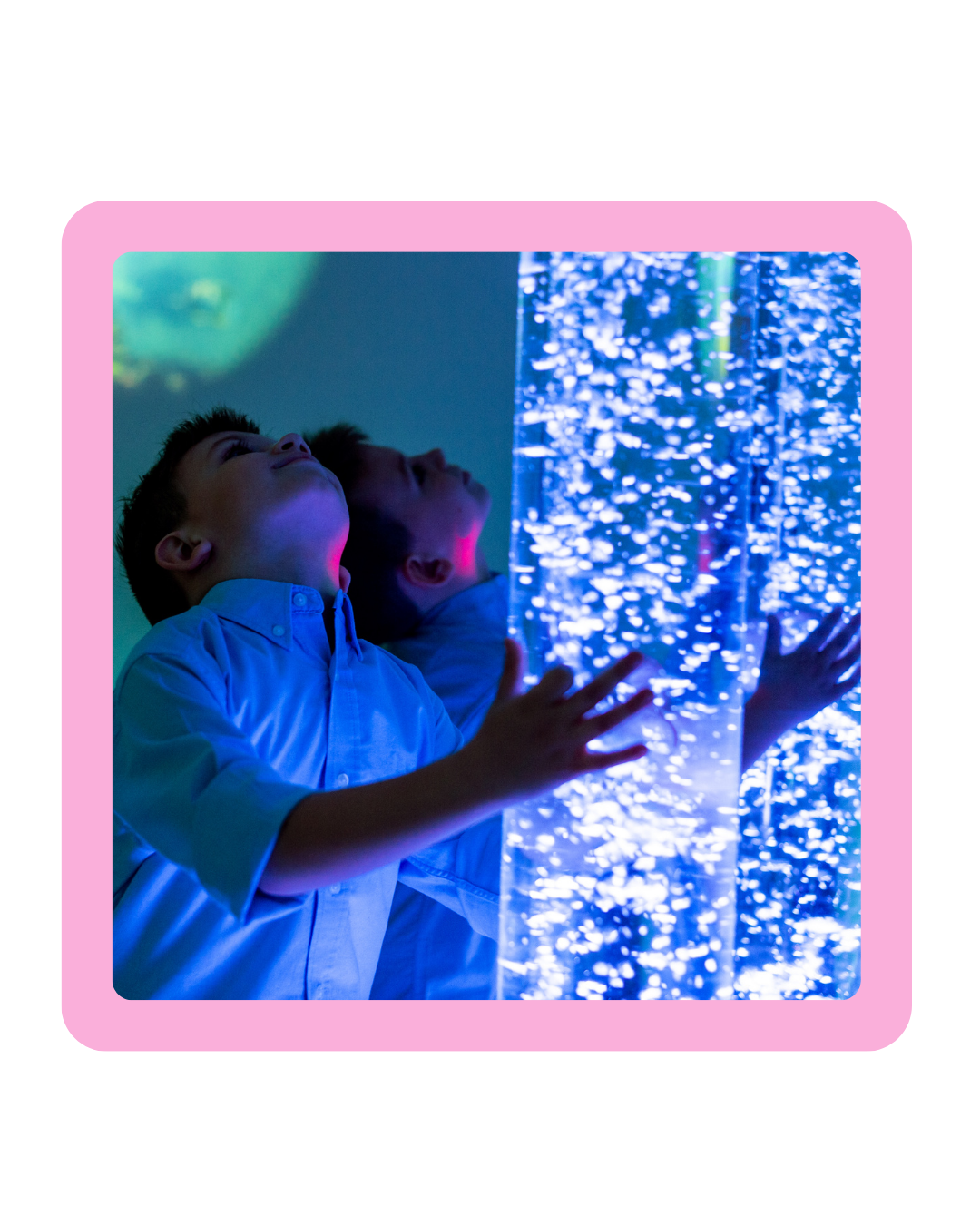
Sensory Room Equipment
Designed for homes, classrooms, clinics, and community spaces — this collection supports regulation, comfort, and connection through inclusive, sensory-first design.
-

 Sold out
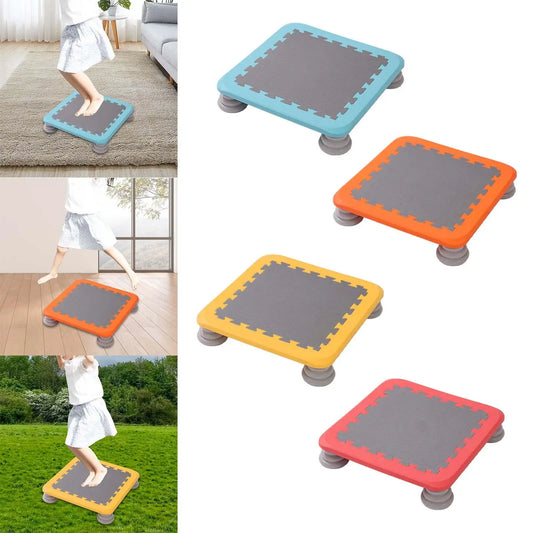
Bounce Board
Regular price £82.99 GBPSale price £82.99 GBPUnit price perSold out

